
The deal
Thirteen cards are dealt face-down to each player from two shuffled standard decks plus jokers. A closed draw pile sits beside a single open card turned up at the start of the hand. The wild or printed joker, if any, is declared at this point.
Every player arranges their thirteen cards into two stacks: a sort pile for grouping by suit and rank, and a sequence pile for the melds being assembled. Most platforms allow free re-sort during play; a few restrict sorting to specific windows.
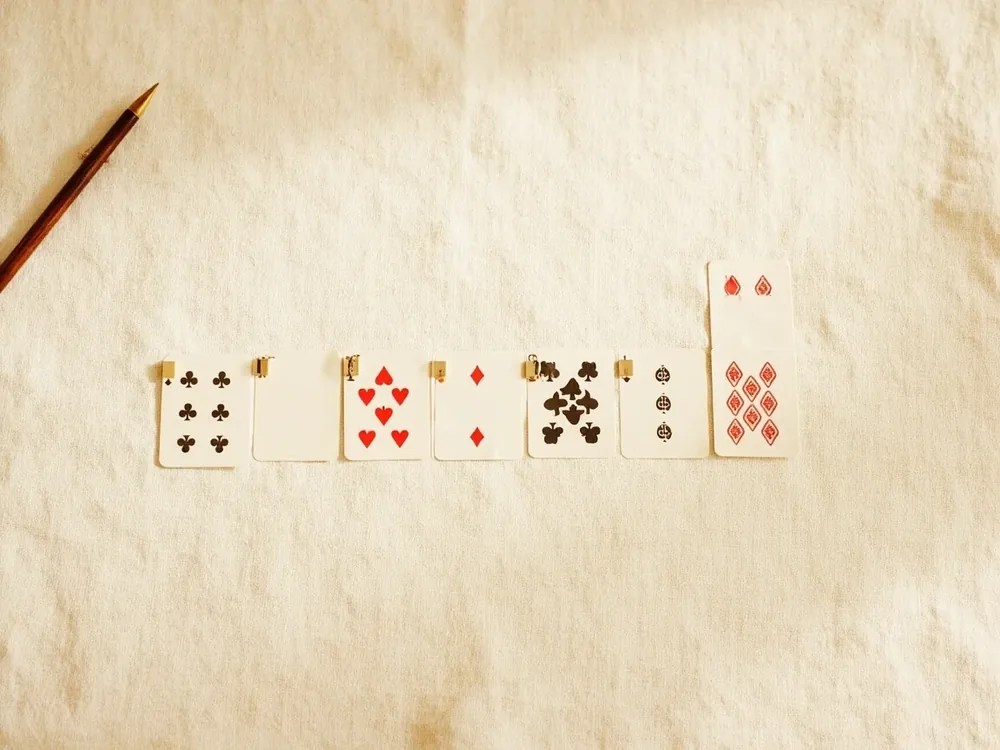
A standard turn
Each turn has two parts. First, the player draws one card — either the top card from the closed pile, or the open card from the discard pile. Second, the player discards one card from their hand face-up to the discard pile.
After the discard, the next player draws. The turn order is fixed at the start of the hand and runs clockwise around the table until a declaration is made or every remaining player has dropped.
The draw choice matters more than the discard choice. Drawing the open card completes a meld immediately but telegraphs your plan to other players; drawing from the closed pile keeps your reasoning private but commits a joker or printed card to its place.

When to drop
A drop is a legitimate strategic decision. Most platforms offer a lower-penalty first drop, available before the third draw; a mid-game drop costs more but is still cheaper than a missed declaration.
The signal to drop is rarely the strength of your hand; it is the absence of a path to a pure sequence. If, after the third draw, no single pure sequence is visible or close to visible, a first-drop is usually the cheaper choice than continuing.
A drop is a planning decision, not a failure of skill. The hand that recognises a dead sequence early is the hand that protects the score sheet for the next round.
Declaring a hand
A valid declaration requires one pure sequence (no joker substituted) and all remaining cards arranged into valid sequences or sets. A player declares by placing their thirteen cards face-up in two groups — one group for the first life, the second group for the remaining hand — and discarding one final card.
The declaration is read by the table. Each meld is checked for validity: the pure sequence first, then the impure sequences and sets. A declaration that passes is scored; a declaration that fails carries the full card-value penalty.
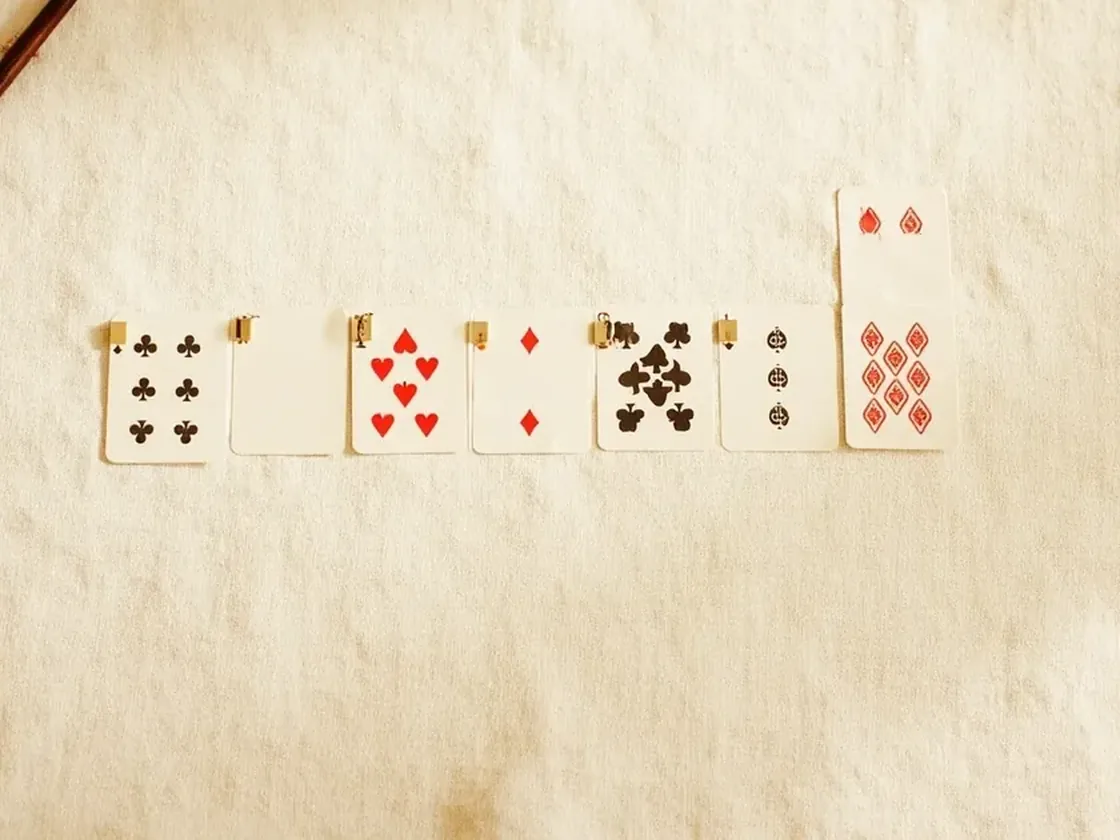
What invalid declarations cost
An invalid declaration costs the ungrouped card values against the declarer. Face cards and aces count ten; numbered cards count their face value; jokers count zero. A hand with two ungrouped face cards costs twenty points; a hand with three costs thirty.
The total is added to the declarer's running score in Points Pool, or converted to chips in Deals. Across many hands, the difference between a careful reader and a hurried declarer is visible in the running tally.
A short reading list
The next hubs in the almanac walk through the strategy chapter and the platform-usability notes. Adult readers who finish the first lesson typically move to the strategy chapter before playing a stake.